
Fontina, and everything built around it
Mountain cooking, fat and salty, and the highest vineyards in Europe.
In a closed, cold valley people have always eaten what could be kept: cheese, butter, rye bread, dried meat, wine. Aosta Valley cooking is poor in ingredients and rich in calories, and it has no intention of being light.
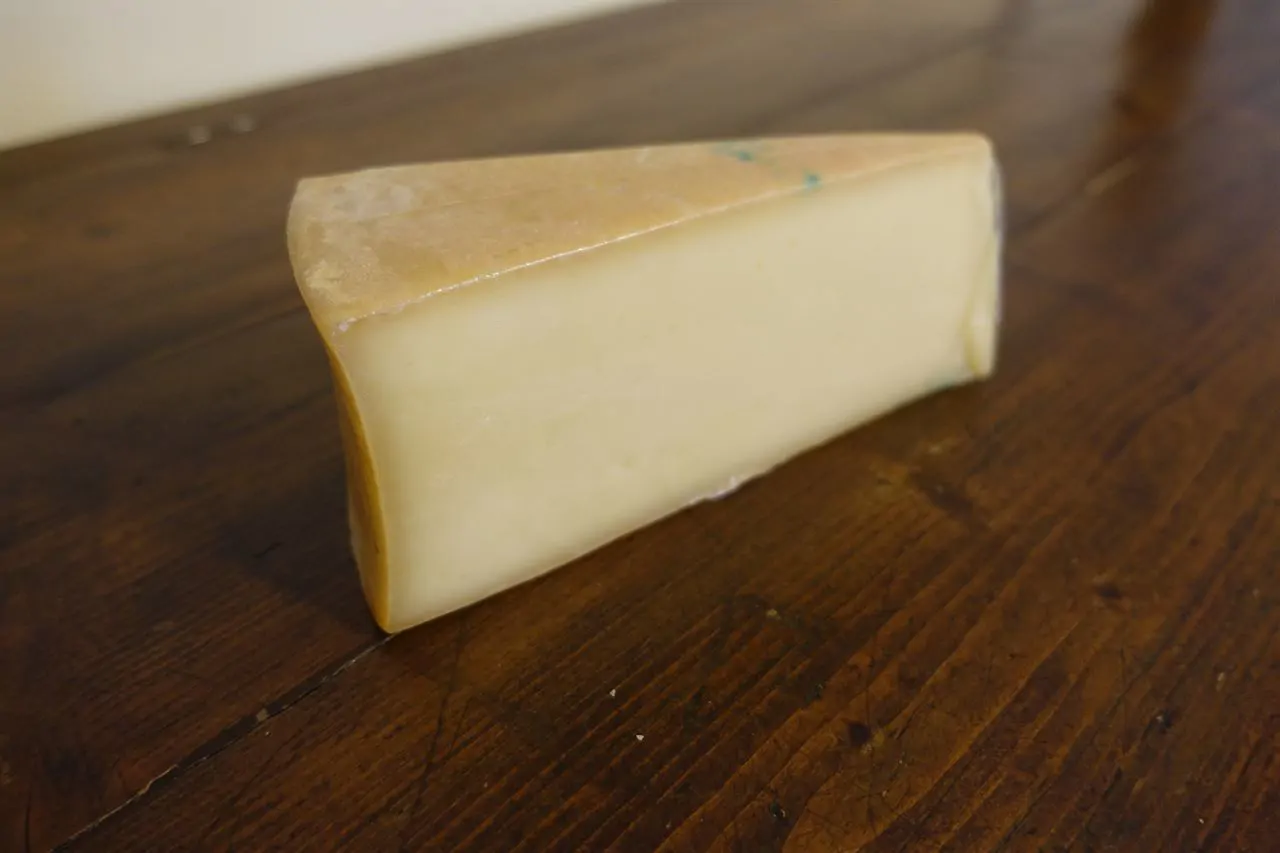
Fontina
Fontina is made with whole raw milk from a single milking of Valdostana cows and has carried the Dop since 1996. The wheels age for at least three months in caves or old mines, where humidity and temperature stay constant. It is eaten in slices, melted into fondue, and it goes into almost every dish in the region.
The dishes
Seupa a la Vapelenentse is stale bread, Fontina and cabbage soaked in broth and baked; carbonade is beef cooked long in red wine and served with polenta; polenta concia is polenta with butter and Fontina inside it. Motsetta is beef or chamois salted and dried, and it is cut thin.
The cured meats and cheeses
The lard of Arnad has the Dop and ages in wooden boxes with salt, herbs and spices; the jambon de Bosses, also Dop, comes from Saint-Rhemy-en-Bosses, at sixteen hundred metres. Among the cheeses, besides Fontina, there is fromadzo, leaner and sharper. To finish there are tegole and torcettini biscuits, and genepy, the liqueur made from high altitude artemisia.
Aosta Valley coffee is drunk from the grolla, a wooden cup with several spouts that is passed from hand to hand: inside are coffee, grappa, wine and lemon peel, and it is set alight before serving.
To drink
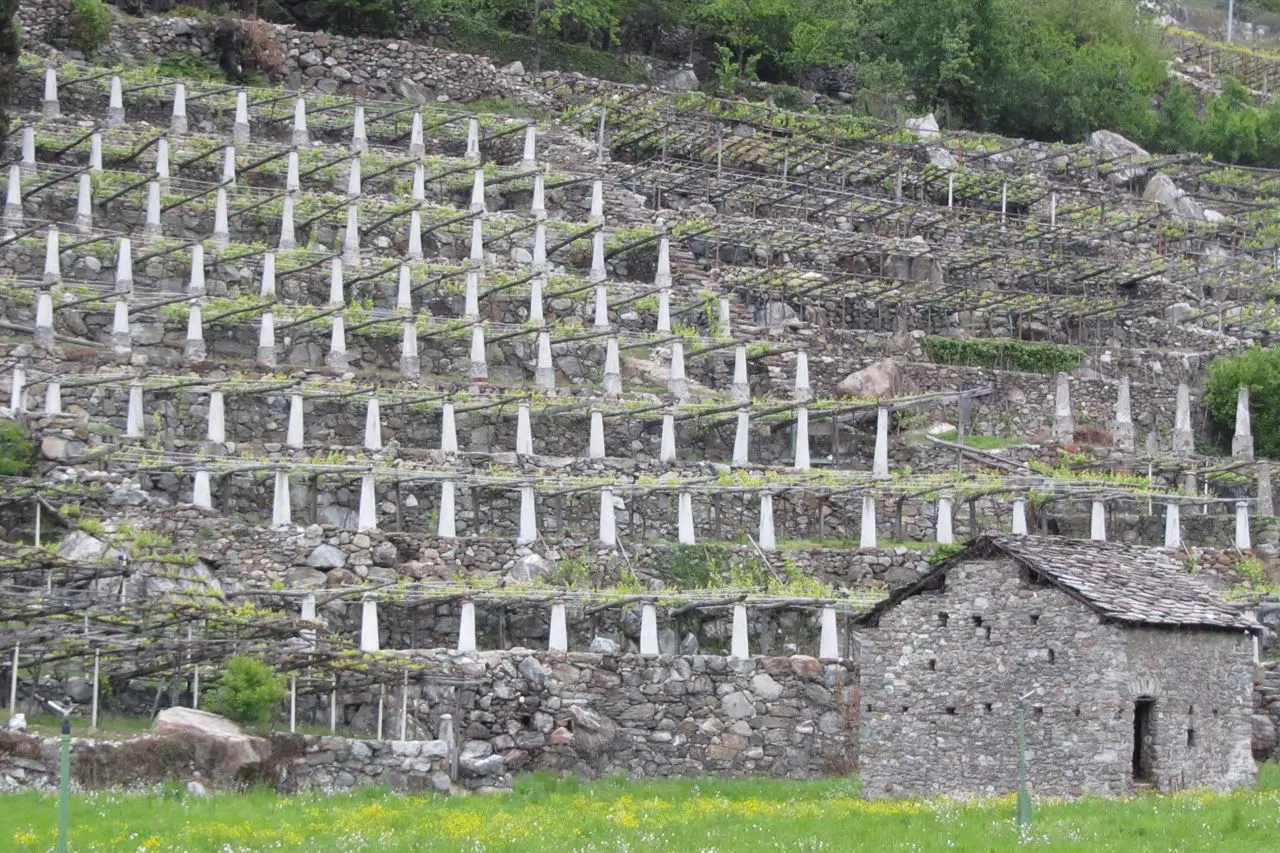
The vineyards of the main valley are terraced and reach twelve hundred metres, the highest in Europe: Blanc de Morgex et de La Salle comes from ungrafted vines on their own roots, because at that altitude phylloxera never arrived. Lower down there are Torrette, Petite Arvine, Fumin and Chambave; at the foot of the valley Donnas, which is mountain nebbiolo.